


Printify
Heal What Hurt You Water Bottle
Heal What Hurt You Water Bottle
Couldn't load pickup availability
- Accountability for healing – reminds you that unprocessed pain spreads
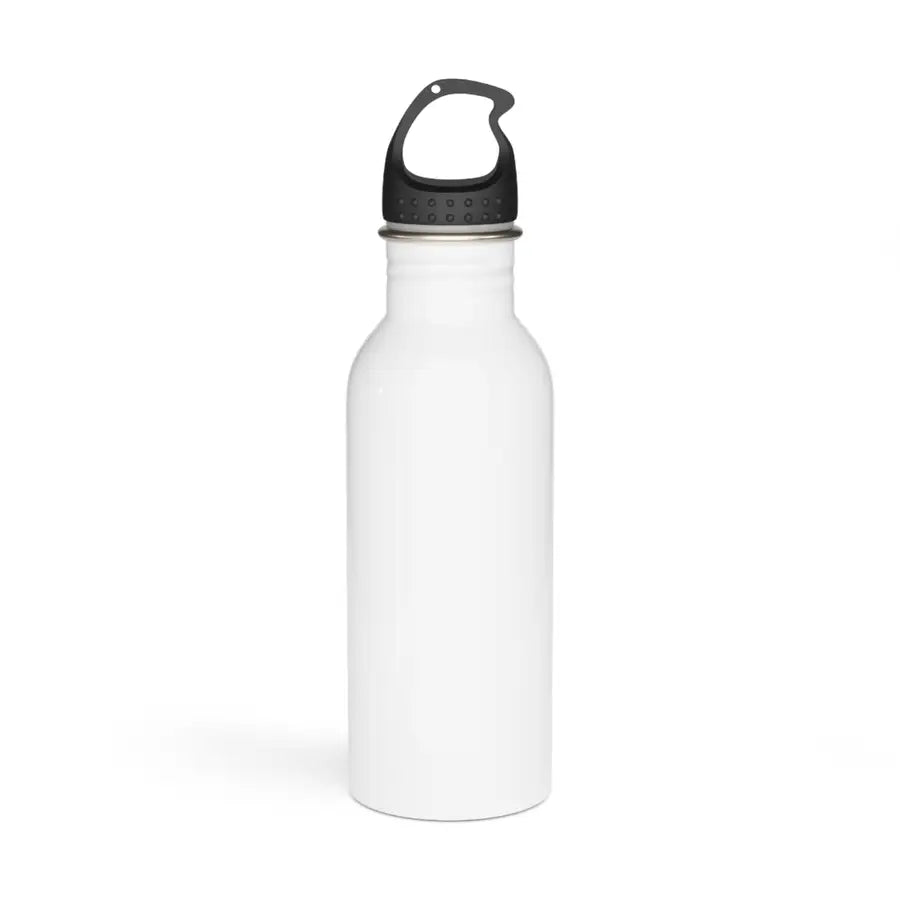
- Premium 18/8 stainless steel – food-grade durability built to last
- 20oz capacity – keeps you hydrated through emotional work
- Wide neck design – easy drinking, easy cleaning
- Secure black cap – leak-proof reliability for the healing journey
- Bold, crisp text – fade-resistant truth that endures
- Smooth finish – sleek surface for smooth transformation
Why Unhealed Wounds Spread
Here's the uncomfortable truth about trauma, pain, and unprocessed hurt: it doesn't stay contained. You can't just box up your past and expect it to remain dormant. Unhealed pain has a way of seeping out—in your reactions, your triggers, your patterns, your relationships. You end up making innocent people pay for crimes they didn't commit.
This water bottle exists because too many people are unconsciously repeating cycles of harm—not because they're bad people, but because they haven't done the work to heal what hurt them. Your partner says something innocuous, but you hear your critical parent. Your child makes a mistake, but you respond with the shame you were raised with. Your coworker sets a boundary, but you feel the abandonment from your past. You're bleeding on people who didn't cut you.
The good news? Recognizing this pattern is the first step toward breaking it. This bottle is your daily reminder: your healing isn't selfish—it's necessary. Not just for you, but for everyone who will interact with you going forward.
How Unhealed Pain Shows Up:
Overreactions: Small situations trigger disproportionate responses because they're tapping into old wounds. Someone's late? You feel abandoned. Someone criticizes you? You feel worthless. The current situation is minor, but the historical pain is massive.
Projection: You assume others have the same malicious intent that past people had. You read betrayal into innocent actions. You expect harm because harm is what you know.
Repeating patterns: You keep ending up in similar painful situations—abusive relationships, toxic jobs, one-sided friendships—because unhealed wounds attract similar circumstances until you break the cycle.
Passing it down: Perhaps most tragically, you parent with the same wounds your parents gave you. You criticize like you were criticized. You withhold like affection was withheld from you. The cycle continues.
What This Quote Really Means
"If you don't heal what hurt you" acknowledges that healing is a choice and a responsibility. Your pain happened TO you, but what you do with it is ON you. No one else can do your healing work.
"You will bleed on people who didn't cut you" describes the collateral damage of unhealed wounds. Your current partner isn't your ex who betrayed you. Your children aren't the parents who failed you. Your friend isn't the one who abandoned you. But they'll pay the price if you don't heal.
Who This Bottle Is For:
- The self-aware seeker: You've recognized your patterns and you're ready to do the hard work of changing them
- The therapy warrior: You're in counseling, reading books, doing the exercises—actively pursuing healing rather than just wishing for it
- The cycle-breaker: You refuse to pass your pain to the next generation—you're determined to heal what hurt you so your kids don't inherit it
- The relationship rebuilder: You've damaged connections through unhealed reactions, and you're committed to repairing both yourself and those bonds
- The pattern recognizer: You keep ending up in similar painful situations and you finally understand why—it's time to heal the root
- The accountability accepter: You're taking ownership for how your unhealed wounds affect others, even though the original hurt wasn't your fault
The Psychology of Intergenerational Trauma
Trauma transmission: Research shows that unresolved trauma gets passed down through families—not just through behavior modeling, but potentially even through epigenetic changes. Your pain doesn't end with you unless you actively heal it.
Attachment patterns: How you were attached to caregivers shapes how you attach to others. Anxious attachment, avoidant attachment, disorganized attachment—these patterns persist until consciously addressed through healing work.
Emotional regulation: If you never learned to process difficult emotions healthily, you'll either suppress them (and eventually explode) or immediately discharge them onto others. Healing teaches you to sit with discomfort without making it someone else's emergency.
Trigger identification: Therapy and self-reflection help you recognize when you're reacting to past pain versus present reality. This awareness is crucial for stopping the bleeding.
What Healing Actually Looks Like
Healing isn't a single destination—it's an ongoing practice:
Acknowledging the wound: You can't heal what you won't face. This means honestly naming what hurt you, even when it's painful to revisit.
Feeling the feelings: Not bypassing, not intellectualizing, not numbing—actually letting yourself feel the grief, anger, fear that you've been avoiding.
Understanding patterns: How does this past hurt show up in your present? Where are you bleeding on innocent people? What triggers activate old wounds?
Taking responsibility: The hurt wasn't your fault, but the healing is your responsibility. No one else can do this work for you.
Making repairs: Where you've bled on others, you make amends. You apologize. You change behavior. You demonstrate that you're doing the work.
Building new patterns: Healing isn't just stopping harm—it's creating new, healthy ways of relating, responding, and existing in the world.
How to Stop Bleeding on Others
This water bottle supports a practice of conscious healing:
Morning intention: As you fill your bottle, commit: "Today I will notice when I'm reacting from past pain rather than present reality. I will pause before I bleed."
Real-time awareness: When you feel triggered—heart racing, vision tunneling, disproportionate emotion—this bottle reminds you: Is this about now, or is this about then? That pause creates choice.
Evening reflection: Before bed, honestly assess: "Did I bleed on anyone today? Did I react from my wounds rather than from wisdom?" If yes, plan your repair for tomorrow.
The Difference Between Hurt People Hurting People and Healed People Helping People
Hurt people hurting people: Unconsciously repeat patterns. React from wounds. Make others pay for past crimes. Justify harmful behavior because they were harmed. Stay stuck in victimhood.
Healed people helping people: Consciously break patterns. Respond from wisdom. Take responsibility for their impact regardless of their history. Use their pain to develop compassion. Choose growth over grievance.
You don't have to be fully healed to stop bleeding on others. You just have to be actively healing—doing the work, increasing awareness, making repairs when you mess up.
For Parents: Breaking the Cycle
If you're a parent, this message carries extra weight:
Your unhealed wounds become your children's wounds. The criticism you endured becomes the criticism you give. The neglect you experienced becomes the emotional unavailability you provide. The control you resented becomes the control you exert.
But you can stop it here. You can be the one who says: "This ends with me. I will heal what hurt me so my children don't inherit my pain." That's not just good parenting—it's generational heroism.
Your kids don't need perfect parents. They need parents who are actively healing, who apologize when they mess up, who demonstrate that growth is possible at any age.
The Courage to Heal
Make no mistake: healing takes immense courage. It's easier to stay wounded, to blame others, to justify your bleeding as inevitable given what you've survived. Healing requires:
Facing pain you've been avoiding: Revisiting trauma isn't fun. It's necessary.
Letting go of victim identity: There's comfort in "I am this way because of what happened to me." Healing means becoming "I am who I choose to be despite what happened to me."
Taking responsibility without self-blame: You're not to blame for what hurt you, but you are responsible for what you do with it.
Changing when change is hard: New patterns feel awkward. Old wounds resist healing. You do it anyway.
Product Specifications
Material: Premium 18/8 food-grade stainless steel
Capacity: 20oz (0.59 liters)
Design: Full front decoration with bold black text
Cap: Secure black screw-on lid
Neck: Wide opening for easy drinking and cleaning
Finish: Smooth, sleek surface
Durability: Built for daily use, lasting years
Note: Hand wash recommended for longest life; dishwasher safe
Care Instructions
• Hand wash with warm soapy water for best results
• Dishwasher safe (top rack recommended)
• Avoid abrasive cleaners that could scratch surface
• Dry thoroughly before storing to prevent moisture buildup
• Not suitable for hot liquids (room temperature or cold beverages only)
Why This Message Transforms Relationships: Most people walk through life unconsciously replaying their trauma on innocent bystanders. They genuinely don't realize that their overreactions to minor situations, their inability to trust, their defensive walls, their critical voices—these aren't about the present. They're about unhealed past. And the people around them—partners, children, friends, coworkers—become casualties of wars they didn't start and can't win. This water bottle interrupts that unconscious pattern. It declares a hard truth: your healing isn't optional if you want healthy relationships. You can't blame your past forever while continuing to damage your present. At some point, you have to choose: stay wounded and keep bleeding on others, or do the hard, courageous work of healing so your pain stops spreading. This bottle is for those who choose healing—not because the work is easy, but because the alternative is making innocent people pay for crimes they didn't commit. Your wounds are valid. Your pain is real. And your responsibility to heal so you stop harming others? That's real too.


Get Free Educational Content
New videos, lesson plans, and African history insights delivered to your inbox
FAQs
Is the print framed?
The print is unframed so you can choose a frame that matches your space.
How long does shipping take?
Our products are made to order and custom printed just for you! Production takes 10–14 days, and once ready, they ship from the USA with tracking provided.
What if I don’t love it?
You’re covered by our 30-Day Money-Back Guarantee. Return it for a full refund—no questions asked.